

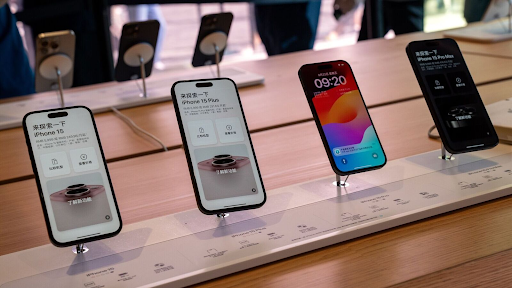
The tradition of the singular, blockbuster iPhone event in September is set to become a thing of the past as the tech giant prepares to bifurcate its annual release calendar. Starting in 2026, consumers can expect two major launch events per year: one in the fall and another in the spring. This major overhaul is part of a broader strategy to expand the iPhone lineup to seven distinct models by 2027, up from the current five. By spreading these launches out, the company aims to maintain a constant presence in the media and the market, rather than compressing all its excitement into a few short weeks.
The new schedule dictates that the fall season will remain the home of the premium flagships. This includes the iPhone 18 Pro series and the highly anticipated first foldable iPhone, which is described as the “star” of the 2026 lineup. Launching these high-ticket items before the holidays ensures they capitalize on the gift-giving season. The foldable, likened to “two titanium iPhone Airs side-by-side,” will be the centerpiece of this luxury push, showcasing the company’s most advanced engineering.
Conversely, the spring launch, occurring roughly six months later, will focus on the broader consumer market. This window will feature the standard iPhone 18, a new entry-level “e” model, and the iPhone Air. Moving the standard models to the spring prevents them from being overshadowed by the Pro and Foldable models. It also provides a compelling option for consumers whose contracts expire in the first half of the year, a demographic that has previously had to choose between an “old” phone or waiting months for a new one.
The iPhone Air’s role in this spring lineup is particularly interesting. It is described as a “technology exercise” and a prototype for the foldable, used to test new components. It is not intended for mass-market consumption or an annual upgrade cycle. Placing it in the spring allows the company to showcase innovation without the intense sales pressure that accompanies the fall launch.
This split strategy is also a logistical necessity. Stabilizing revenue and reducing pressure on engineering and manufacturing teams are cited as key reasons for the change. Producing seven different models for a single launch date would be an operational impossibility. By dividing the labor and the logistics across two distinct periods, the company ensures high quality and availability for all models, making the “new normal” better for both the creator and the consumer.