

In July, the United Arab Emirates (UAE) experienced its first drop in fuel prices in five months, reflecting a broader trend of declining global crude oil prices due to improved supply conditions. This development comes as a relief to consumers after a sustained period of stable or rising prices.
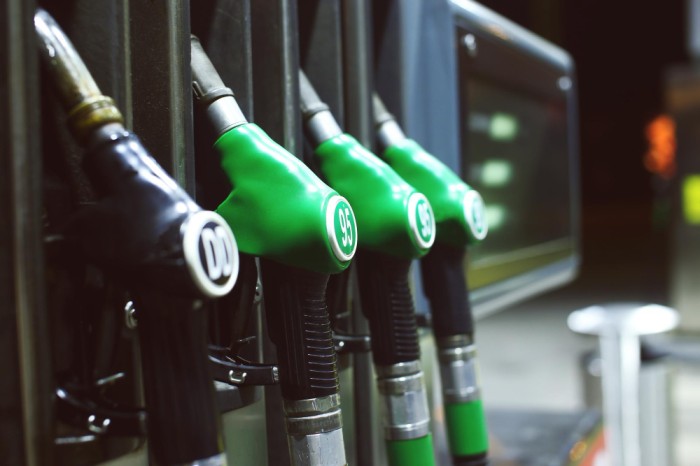
The updated prices at the pump show a notable decrease: Super 98 is now priced at Dh3.40 per litre, down from Dh3.95; Special 95 has dropped to Dh3.29 per litre from Dh3.83; E-Plus 91 is currently Dh3.21 per litre, reduced from Dh3.76; and diesel has fallen to Dh3.60 per litre from the previous Dh4.33. These reductions are a direct response to shifts in the global oil market.
Recent declines in international crude oil benchmarks have been influenced by easing concerns over potential disruptions in Middle East oil supplies. Diplomatic efforts, particularly between the United States and Iran, have shown progress, contributing to more stable conditions in the region. Additionally, the improved flow of shipping traffic through the critical Strait of Hormuz has further alleviated supply fears, supporting a more balanced energy market worldwide.
Since 2015, the UAE has pegged its domestic fuel prices to the global oil market, allowing such fluctuations to be directly reflected in local pricing. Analysts attribute the current price reduction to a combination of increased oil supplies on the global stage, higher export volumes from key oil-producing nations, and the restoration of critical shipping routes, all of which have played a part in stabilizing and reducing fuel costs in the UAE.