

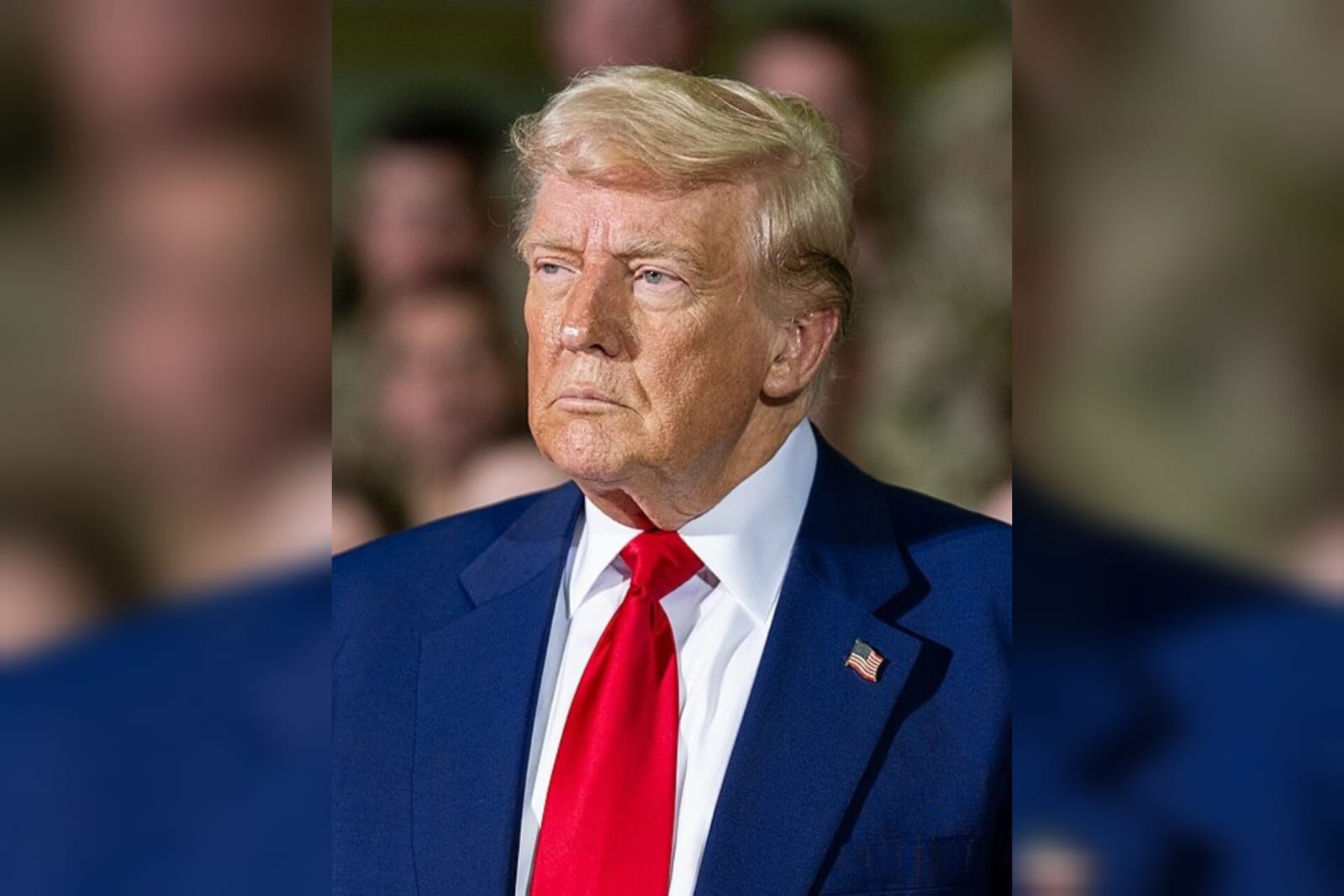
As U.S. President Donald Trump walked into a meeting session at the G7 Summit held in Evian-les-Bains, his light-hearted quip, “I’m the boss,” elicited laughter from fellow world leaders. Trump had arrived late to the morning gathering on the last day of the summit, during which leaders of major global economies were already assembled. The jovial remark broke the ice momentarily, bringing smiles to the attendees before the discussions resumed.
Trump’s appearance at the summit followed his announcement of a preliminary agreement with Iran, aimed at reducing tensions and reopening the strategic Strait of Hormuz. This development formed a central part of the summit’s agenda, as leaders expressed their support for the framework, recognizing its potential to diminish regional instability. The G7 leaders collectively described the agreement as a significant diplomatic achievement, highlighting its role in preventing Iran from progressing its nuclear ambitions while striving to restore stability to global energy routes. The accord is poised to transition into a formal signing phase, with further negotiations anticipated to address critical security concerns.
The summit also provided a platform to address the ongoing conflict in Ukraine, where discussions centered around prospects for peace and the provision of security support to Kyiv. Several leaders noted changes in international alignments, emphasizing the importance of intensifying diplomatic pressure and ensuring long-term stability in the region. These discussions underscored the gravity of the geopolitical challenges being tackled at the summit.
Despite the serious nature of the topics at hand, moments of levity emerged, reflecting the informal dynamics among the world leaders amid high-stakes negotiations. The blend of serious dialogue and lighter interactions highlighted the complex environment in which these global discussions take place, where personal rapport can coexist with pressing international issues.