

Days before the airstrikes that killed Iran’s Supreme Leader, the head of the International Atomic Energy Agency released a report that contradicted earlier American claims about the status of Iran’s nuclear program. The report concluded that regular activity had been observed at key Iranian nuclear sites that the United States had bombed in June and claimed to have “obliterated.” The gap between the American claim and the UN agency’s finding is itself a significant data point about the reliability of information in a highly contested information environment.
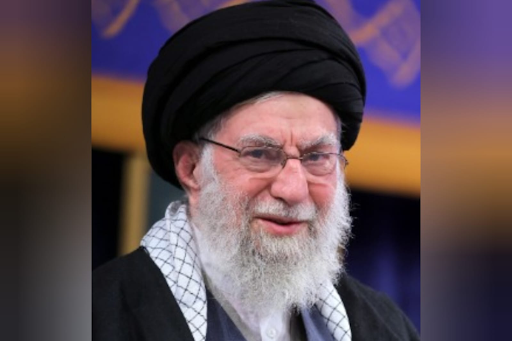
Khamenei’s religious edict against nuclear weapons had served as a unique kind of guarantee — not legally binding in the way that treaty obligations are, but carrying a moral weight in Islamic jurisprudence that gave it at least theoretical force. Combined with Iran’s adherence to the Nuclear Non-Proliferation Treaty, it provided the diplomatic framework for negotiations including the 2015 deal.
With Khamenei gone, that edict is in an ambiguous state. A fatwa is a personal religious ruling — it belongs to the scholar who issued it and does not automatically bind his successors. The next Supreme Leader could confirm, modify, or effectively nullify Khamenei’s nuclear fatwa simply by declining to reaffirm it or by issuing a new ruling that reaches different conclusions.
The strategic incentives pushing Iran toward nuclear weapons have never been stronger. The country has just witnessed its Supreme Leader killed by an adversary with nuclear weapons and overwhelming conventional air superiority. The logic of deterrence — that nuclear weapons prevent the kind of military action that has been taken against Iran — is now more powerful than it has ever been.
International efforts to prevent Iran from crossing the nuclear threshold may therefore be both more urgent and more difficult than at any previous point. The combination of the IAEA’s observations about resumed nuclear activity and the removal of the one political figure who had formally committed Iran against weaponization creates a genuinely alarming situation for nonproliferation advocates.