

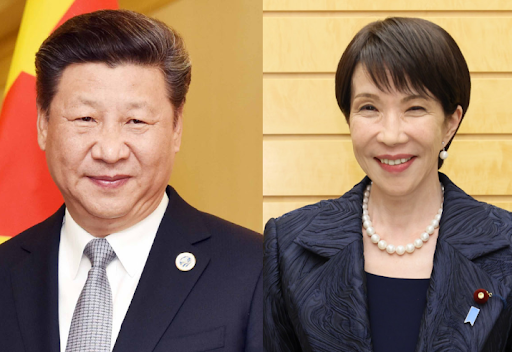
The insurance and risk management industries are closely monitoring the Japan-China crisis as they reassess pricing and coverage for political risks in East Asian economic relationships, with the systematic use of economic tools for diplomatic coercion creating challenges for traditional risk models that may have underestimated the frequency or severity of politically motivated disruptions. The projected $11.5 billion in tourism losses from over 8 million Chinese visitors representing 23% of all arrivals, combined with cultural restrictions and potential trade barriers, provides concrete data for recalibrating political risk assessments.
Traditional political risk insurance focused primarily on government expropriation, political violence, and currency inconvertibility, with less attention to scenarios where governments use regulatory power, informal pressure, and coordinated unofficial actions to disrupt economic relationships for diplomatic purposes. The current crisis demonstrates sophisticated economic coercion that operates through travel advisories, cultural approval processes, and implicit threats rather than explicit governmental takings, challenging traditional risk categories and requiring development of new assessment frameworks.
For businesses operating in or depending on Chinese markets, the crisis raises questions about whether available insurance products adequately cover political disruption risks they face. Small business owner Rie Takeda experiencing mass cancellations from her tearoom likely lacks insurance coverage for diplomatic disputes that destroy her customer base through travel advisories and informal boycotts. Larger tourism operators, cultural enterprises, and manufacturers similarly face exposures that traditional political risk products may not adequately address.
The reassessment of political risk pricing has broader implications for investment and business strategy decisions. If insurance industries significantly increase premiums for China-related political risks based on observations from the current crisis, the higher costs of risk management may cause some businesses to reconsider strategies that involve significant Chinese market dependencies. Alternatively, if insurance remains unavailable or prohibitively expensive for certain political risk categories, businesses must self-insure by maintaining larger capital reserves or accepting greater vulnerability.
The challenge for insurance and risk management industries is that political risk events like the current crisis are difficult to model using traditional actuarial approaches. The frequency and severity of politically motivated economic disruptions depend on diplomatic relationships, strategic calculations, and domestic political dynamics that are inherently uncertain and subject to rapid change. Professor Liu Jiangyong’s revelation that “countermeasures are all kept secret and will be rolled out one by one” illustrates how deliberately opaque decision-making complicates risk assessment.
International relations expert Sheila A. Smith notes that domestic political constraints make compromise difficult, suggesting political volatility may prove more endemic than exceptional in China-Japan relations and potentially broader East Asian economic relationships. If insurance industries conclude that political disruption risks are high-frequency, high-severity events that are difficult to model and price, the result may be reduced availability of coverage at any price, forcing businesses to operate without effective risk transfer mechanisms and potentially reducing overall economic integration as uninsurable political risks cause firms to avoid dependencies that create exposures they cannot adequately manage through conventional risk management tools.