

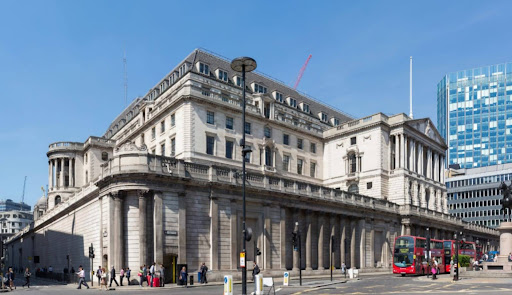
The economic impact of the war in the Middle East is beginning to crystallise in the UK, with the Bank of England voting unanimously to hold rates at 3.75% on Thursday and issuing concrete warnings about rising energy prices and potential rate hikes. The monetary policy committee described the US-Israel conflict against Iran as a significant new shock that had materially changed the UK’s near-term inflation outlook. The decision and accompanying communications represented the Bank’s most explicit acknowledgement to date of the war’s economic consequences for Britain.
The crystallisation of the war’s impact is visible in multiple economic indicators. UK petrol prices have already risen, reflecting higher global oil prices. The Bank’s inflation forecasts have been revised significantly upward, with projections now showing inflation rising toward 3.5% in March and remaining elevated throughout 2026. And financial markets have repriced UK interest rate expectations from cuts to potential hikes, reflecting the changed outlook.
Governor Andrew Bailey said the Bank was watching closely as the war’s economic consequences became clearer. He warned that the petrol price rise was likely to be followed by higher household energy bills if supply disruptions continue. The Bank, he said, was prepared to act through monetary policy if the inflation situation required it, while choosing to hold and assess for now.
Markets responded with a significant repricing. UK gilt yields rose, the FTSE 100 fell, and the pound strengthened against the dollar as traders adjusted to the changed expectations. City analysts revised their forecasts for the first rate hike to June, with a second possible before December. Mortgage rates for five-year fixed deals have already moved to multi-year highs.
As the war’s economic impact crystallises into specific price moves and data revisions, the Bank’s next decision becomes increasingly significant. The committee will need to weigh the accumulated evidence about the war’s economic consequences against the backdrop of a softening domestic economy and a public that has already endured years of above-target inflation. The direction of its next move will say much about its priorities in this genuinely difficult situation.