

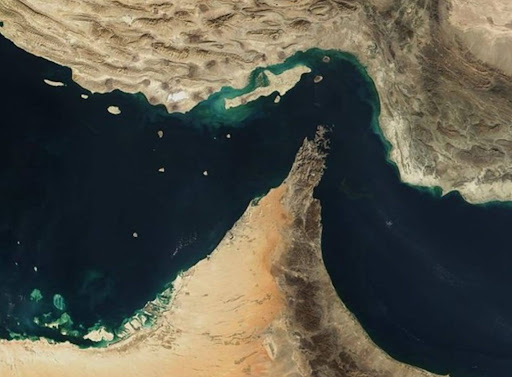
The Strait of Hormuz crisis appears to be entering a new phase in which diplomatic channels are gaining relative importance as the military option — always politically difficult — becomes increasingly clearly off the table for every major potential contributor. President Trump called on the UK, France, China, Japan, South Korea, and all oil-importing nations to send warships to the contested waterway, but the collective refusal of every named government to commit forces has shifted the crisis into territory where diplomacy must carry the weight that military deterrence has failed to provide. The question now is whether the available diplomatic tools are equal to the scale of the challenge.
Iran’s blockade of the strait, launched in retaliation for US-Israeli airstrikes, has generated the most severe oil supply disruption in history. One-fifth of global oil exports ordinarily flow through the passage. Tehran has attacked sixteen tankers and declared vessels bound for American or allied ports to be legitimate military targets. The threat of mines adds long-term risk to any diplomatic resolution that lacks verification. The economic consequences have been severe — global oil prices have surged, and supply chains across Asia and Europe have been disrupted in ways that grow more costly with each passing week.
The military track has effectively closed. France ruled out sending ships while fighting continued. The UK explored lower-risk drone options. Japan described a very high deployment threshold. South Korea pledged careful deliberation. Germany questioned the EU’s Aspides mission’s effectiveness. No government committed forces. The US itself has not deployed naval escorts in the strait. With the military option effectively foreclosed, the diplomatic track — always less dramatic but potentially more durable in its outcomes — is becoming the primary mechanism through which any resolution might be reached.
The diplomatic tools available include China’s backchannel conversations with Tehran, the EU’s discussions about the Aspides mission’s mandate, US Energy Secretary Chris Wright’s dialogue with multiple nations, and the general diplomatic pressure being applied through international forums. France’s President Macron has also articulated a vision of a future defensive escort mission that could provide a framework for post-conflict normalisation of shipping in the strait. Each of these tools operates at a different pace and through different channels, and their coordination — if it is occurring at all — is not visible from the outside.
China’s engagement is the most active and potentially most consequential diplomatic thread. Beijing is reportedly in discussions with Tehran about allowing tankers to pass safely, a process that engages Iran’s interests directly in ways that Western pressure cannot. The Chinese embassy confirmed China’s commitment to constructive regional communication and de-escalation. US Energy Secretary Chris Wright expressed hope that China would be a constructive partner in restoring access to the world’s most critical oil shipping corridor. As the military option fades, diplomacy has never been more important — or more uncertain in its prospects.